Description
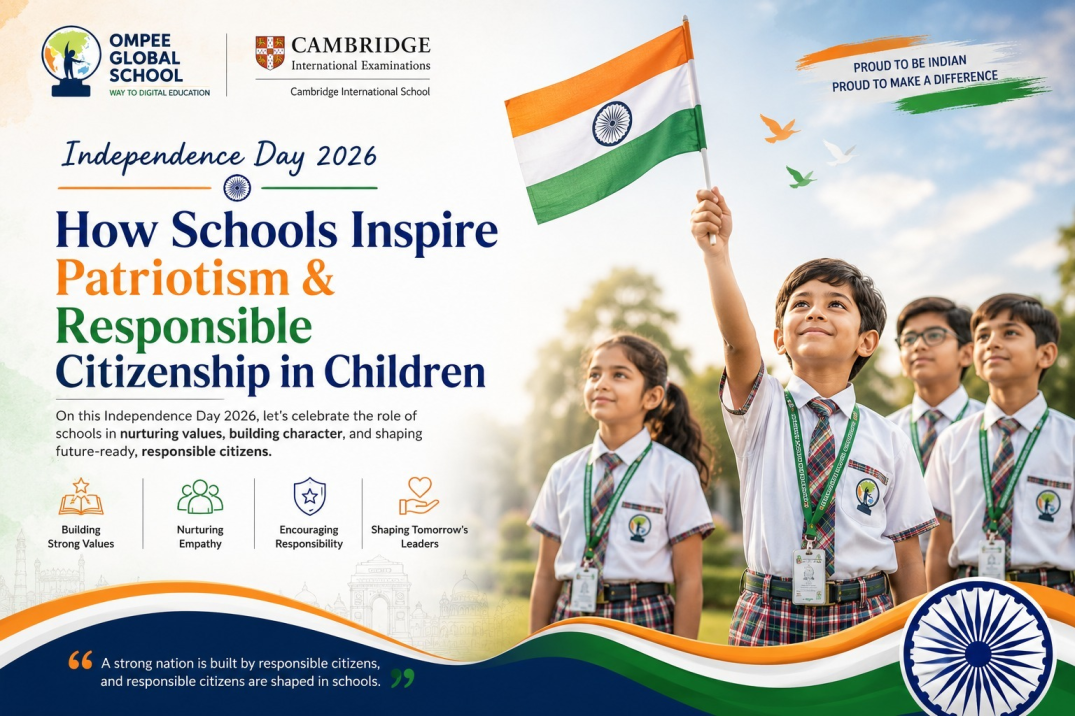
Independence Day 2026: How Schools Inspire Patriotism & Responsible Citizenship in Children
Independence Day is more than a national celebration filled with flags, cultural programmes and patriotic songs. For children, it is an opportunity to understand what freedom means and how they can contribute positively to their country.
As India celebrates its 80th Independence Day on 15 August 2026, schools have an important role in helping young learners connect patriotism with everyday values such as responsibility, respect, empathy, honesty and active citizenship.
At Ompee Global School, education goes beyond textbooks. The school focuses on holistic development, leadership, social responsibility, cultural understanding and preparing students to become confident and compassionate global citizens.
What Does Patriotism Mean for Children?
For children, patriotism does not simply mean knowing national symbols or participating in Independence Day celebrations. It means understanding the values that help build a better society.
A child can show patriotism by:
Respecting the National Flag and National Anthem
Following rules and taking responsibility for their actions
Helping others and showing empathy
Respecting India's diverse cultures and traditions
Keeping their surroundings clean
Learning about India's history and achievements
Becoming a responsible and informed member of society
These small actions help children understand that loving their country also means caring for its people and environment.
How Schools Build Responsible Citizens
1. Learning About India's History
Independence Day provides an opportunity for students to learn about India's freedom struggle, national leaders and the sacrifices made for independence. When history is connected with stories, discussions and activities, children can understand the meaning behind the celebration rather than simply memorising dates.
2. Encouraging Leadership and Responsibility
Schools can give students opportunities to take responsibility through classroom activities, student leadership, projects and community initiatives. Such experiences teach children how to make decisions, work with others and take ownership of their actions.
Ompee Global School's approach includes leadership and innovation opportunities that encourage students to develop problem-solving and leadership skills.
3. Teaching Respect for Diversity
India's strength lies in its diversity. Schools can help children appreciate different languages, cultures, traditions and perspectives.
Celebrating cultural occasions and encouraging intercultural understanding can help students become more respectful and open-minded. Ompee Global School specifically emphasises Indian traditions alongside global perspectives and intercultural respect.
4. Developing Critical Thinking
A responsible citizen should be able to ask questions, understand different viewpoints and make thoughtful decisions.
Instead of only telling students what patriotism means, schools can encourage them to discuss questions such as:
“How can I contribute to my community?”
“What responsibilities come with freedom?”
“How can young people help make India better?”
Such conversations develop independent thinking and encourage children to see themselves as active contributors to society.
5. Turning Patriotism into Everyday Action
The most meaningful lessons often happen through simple actions. Helping a classmate, respecting public spaces, saving water, avoiding waste, being honest and supporting someone in need are all examples of responsible citizenship.
When schools connect these everyday behaviours with the larger idea of nation-building, children begin to understand that every individual has a role in creating a better India.
Independence Day Activities That Can Inspire Children
Schools can make Independence Day meaningful through activities such as:
Freedom movement storytelling sessions
Patriotic poems and speeches
Flag-making and art activities
Debates on responsible citizenship
Community service projects
Cultural performances
Essay and creative writing competitions
Discussions on India's achievements and future
Student-led awareness campaigns
These activities can make learning interactive while strengthening communication, creativity, collaboration and leadership skills—areas that are also central to Ompee's educational approach.
The Role of Parents and Schools
Building responsible citizens is not the responsibility of schools alone. Children learn values through what they see around them.
Parents can encourage children to respect others, participate in community activities, understand India's history, care for nature and take responsibility for everyday tasks. When parents and schools work together, children receive consistent messages about kindness, responsibility and respect.
Why Responsible Citizenship Matters in the Future
Today's children will become tomorrow's professionals, leaders, entrepreneurs, scientists, educators and community members. Academic knowledge is important, but society also needs individuals who can think critically, communicate effectively, respect differences and act with integrity.
Ompee Global School's vision focuses on developing students who combine intellectual growth with empathy, responsibility and global awareness.
Conclusion
Independence Day 2026 gives schools a valuable opportunity to move beyond celebrations and help children understand the deeper meaning of freedom. Patriotism can be nurtured through education that encourages responsibility, empathy, leadership, respect for diversity and a willingness to contribute to society.
When children learn that even small positive actions can make a difference, they begin to understand that building a better India is everyone's responsibility.
At Ompee Global School, the goal is to nurture curious, confident and compassionate learners who are prepared not only for academic success but also to make a meaningful contribution to the world around them.
Frequently Asked Questions
How can schools teach patriotism to children?
Schools can teach patriotism through history lessons, cultural activities, community projects, leadership opportunities and discussions about responsible citizenship.
Why is Independence Day important for students?
It helps students understand India's freedom struggle, appreciate the value of freedom and recognise their responsibilities as future citizens.
How can children become responsible citizens?
Children can become responsible citizens by respecting others, following rules, helping their communities, protecting the environment and making thoughtful decisions.
What Independence Day activities are suitable for school students?
Storytelling, speeches, debates, cultural programmes, art activities, community service and student-led awareness projects are effective ways to make Independence Day meaningful.
How does education help build responsible citizens?
Education develops knowledge, critical thinking, empathy, communication and leadership skills that help children participate positively in society.