Description
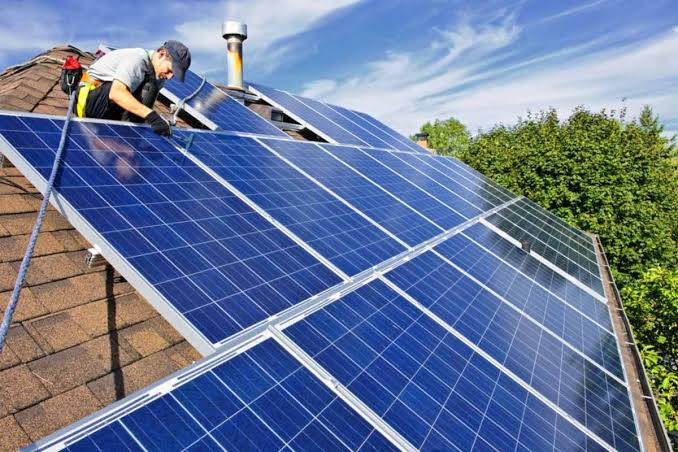
Installing solar panels is an effective way for homeowners and businesses to make better use of Perth’s abundant sunshine while managing electricity costs. With rising energy expenses and growing interest in renewable power, solar energy has become a practical option for properties throughout the metropolitan area. Choosing the right solar panel Perth WA solution involves understanding system sizes, panel quality, inverter performance, installation requirements, and potential long-term savings.
Whether you are upgrading an existing solar setup or installing a new system, careful planning can help you achieve reliable energy production and better value for your investment.
Why Solar Energy Is a Smart Choice in Perth
Perth receives plenty of sunshine throughout the year, making it well suited to solar photovoltaic systems. Solar panels convert sunlight into electricity that can be used to power household appliances, lighting, air conditioning, office equipment, and other electrical devices.
One of the main benefits of installing solar is the opportunity to reduce electricity purchased from the grid. When your system generates enough power during daylight hours, your property can use that electricity directly. Any surplus energy may be exported to the grid, depending on your connection arrangements and applicable feed-in tariff.
A properly designed solar panel Perth WA system can also help households and businesses reduce their reliance on conventional electricity sources. The actual benefits depend on daily energy consumption, roof orientation, shading, system capacity, and when electricity is used.
Solar energy can be particularly valuable for households that operate appliances during the day, businesses with daytime operating hours, and properties with high cooling requirements during warmer months.
Choosing the Right Solar Panel System Size
Selecting an appropriate system size is essential for balancing installation costs and energy production. A system that is too small may not meet your energy requirements, while an unnecessarily large system may produce more electricity than you can use economically.
Smaller households with modest electricity consumption may benefit from a compact solar installation. Families with multiple appliances, air conditioning, electric hot water systems, or electric vehicle charging may need a larger system.
A 6.6 kW solar system is a common option for residential properties, although the ideal capacity depends on the property's circumstances. Larger homes and commercial buildings may require systems with greater generating capacity.
Before choosing a solar panel Perth WA installation, review your recent electricity bills and identify when your household consumes the most power. An experienced installer can use this information to recommend suitable system capacity, panel placement, and inverter specifications.
It is also important to consider future energy needs. If you plan to purchase an electric vehicle, install a home battery, or replace gas appliances with electric alternatives, selecting a system that accommodates these changes may provide greater long-term flexibility.
Solar Panels, Inverters and Equipment Quality
A solar installation includes several components that work together to produce usable electricity. Understanding their functions makes it easier to compare different system options.
Solar panels capture sunlight and generate direct current electricity. An inverter converts this electricity into alternating current suitable for most household and commercial appliances. Monitoring equipment can help property owners track generation, identify performance changes, and understand how effectively the system is operating.
Panel efficiency, product warranties, temperature performance, and manufacturer reliability should all be considered when comparing equipment. A lower purchase price does not always represent the best long-term value.
Popular inverter brands available in the Australian market include Fronius and Sungrow. Other options may be appropriate depending on system design, budget, monitoring preferences, and compatibility requirements. It is worth comparing product specifications and warranty conditions rather than selecting equipment based on brand recognition alone.
When evaluating a solar panel Perth WA package, ask for a clear breakdown of the panels, inverter, mounting equipment, installation labour, warranties, and any additional electrical work. This makes it easier to compare quotes accurately and understand what is included in the proposed system.
Understanding Solar Battery Storage
Solar panels generally produce the most electricity during daylight hours, but many households consume a significant amount of power in the evening. A home battery can store some of the excess solar electricity generated during the day for later use.
Battery storage may be worth considering for families that use air conditioning after sunset, operate appliances during the evening, or want greater control over their electricity consumption. Products such as the Tesla Powerwall and other compatible battery systems offer different capacities, features, and backup capabilities.
However, a battery is not automatically the most cost-effective addition to every solar installation. Its financial value depends on battery pricing, household consumption patterns, electricity tariffs, system compatibility, and how frequently the stored energy is used.
Before purchasing a battery, assess whether your existing or proposed solar system produces enough surplus electricity to charge it effectively. You should also confirm whether backup power is available during a grid outage, because this feature depends on the equipment and installation configuration.
Solar Installation Costs, Rebates and Potential Savings
The cost of installing solar depends on several factors, including system capacity, equipment quality, roof design, installation complexity, and whether battery storage is included.
A basic residential system will generally cost less than a larger installation with premium components or additional electrical requirements. Battery-equipped systems require a separate assessment because storage capacity and backup functionality can substantially affect the overall price.
Eligible Australian households may be able to access government incentives or small-scale technology certificate benefits for qualifying solar installations. Eligibility and the value of these benefits depend on current scheme rules, system requirements, and installer arrangements. Available state or retailer offers may also change over time.
When comparing quotes, request the total price after applicable incentives, the equipment specifications, warranty information, estimated annual generation, and expected savings assumptions.
Actual savings are influenced by the amount of solar electricity consumed on-site, the price of grid electricity, and the compensation received for exported power. It is therefore important to treat savings estimates as projections rather than guaranteed results.
A professionally assessed solar panel Perth WA solution should take these factors into account and explain how the proposed system fits your property's electricity needs.
Residential and Commercial Solar Solutions
Residential solar installations are designed around household electricity use, roof space, and the daily routines of occupants. Families can benefit from generating electricity for appliances, lighting, cooling, and other essential activities.
Commercial solar systems require a different approach. Offices, warehouses, workshops, retail premises, and other businesses may have substantial daytime energy requirements that align well with solar generation. Businesses with large roof areas may also have opportunities to install higher-capacity systems, subject to structural suitability and electrical requirements.
Commercial property owners should consider current electricity consumption, operating hours, available roof space, demand patterns, and future expansion plans before choosing a system.
For both residential and commercial properties, the right solar panel Perth WA design should balance energy production, installation costs, equipment reliability, and expected electricity savings. Regular monitoring and appropriate maintenance can also help maintain system performance over time.
Solar Panel Services Across Perth Suburbs
Solar installation requirements can vary between properties because of differences in roof materials, building designs, shading, and electrical infrastructure. Local assessments help ensure that panels are positioned appropriately and that the installation meets relevant Australian standards and connection requirements.
Solar solutions may be suitable for homes and businesses in Ashfield, Balcatta, Bayswater, Belmont, Bentley, Cannington, Carlisle, Churchlands, Cloverdale, Dalkeith, Dianella, East Perth, Embleton, Floreat, Glendalough, Joondanna, Kewdale, Nedlands, Nollamara, Osborne Park, Queens Park, Redcliffe, Shenton Park, St James, Subiaco, Tuart Hill, Victoria Park, and West Perth.
Property owners in these areas should consider the amount of unshaded roof space available, the direction and angle of the roof, and the location of nearby trees or buildings. These factors influence how much electricity a system can generate throughout the year.
In established suburbs, roof access and existing electrical infrastructure may affect installation planning. Newer properties may offer different opportunities for panel placement and future battery integration. An individual assessment is the best way to determine the most suitable design for each property.
Maintenance and Long-Term Solar Performance
Solar systems generally require relatively little routine maintenance, but periodic inspections can help identify issues before they significantly affect performance. Dust, leaves, bird droppings, shading, inverter faults, and damaged wiring can all influence electricity generation.
Monitoring system output provides a useful way to identify unexpected changes. If electricity production falls noticeably without an obvious weather-related explanation, a qualified solar technician can inspect the equipment and investigate potential faults.
Cleaning should be undertaken only when necessary and in accordance with manufacturer recommendations. Roof access can be dangerous, so professional cleaning or inspection may be preferable when panels are difficult to reach.
Keep copies of installation documents, warranties, electrical compliance records, and monitoring information. These records can be useful when arranging maintenance or making warranty enquiries.
Frequently Asked Questions
How many solar panels does a Perth home need?
The number depends on the capacity of each panel and the total system size. A 6.6 kW system, for example, will require a different number of panels depending on whether each panel is rated at 400 W, 440 W, or another capacity. Household electricity use and available roof space should guide the final design.
Are solar panels worth installing in Perth?
Solar can offer worthwhile savings because Perth receives substantial sunshine. However, the financial return depends on installation costs, electricity prices, system performance, and how much generated electricity the property uses directly.
Should I install a solar battery with my panels?
A battery may benefit households that need electricity after sunset or want backup power where supported. Compare the additional cost with your expected energy savings and confirm compatibility with the proposed solar equipment.
How long do solar panels last?
Solar panels are designed for long-term operation, often for 25 years or more, although output gradually declines over time. Actual service life depends on product quality, environmental conditions, installation quality, and maintenance.
What should I check before choosing a solar installer?
Compare equipment specifications, installation inclusions, product and workmanship warranties, estimated generation, applicable incentives, and the installer's credentials. Make sure the quote clearly explains the total price and any additional costs.
Conclusion
Solar energy offers Perth homeowners and businesses an opportunity to generate renewable electricity, reduce grid consumption, and improve long-term control over energy expenses. Choosing the right system requires more than comparing prices; it involves assessing electricity usage, roof suitability, panel and inverter quality, battery requirements, and potential incentives.
By evaluating these factors carefully, property owners can select a solar panel Perth WA solution that matches their energy needs and budget. A well-planned installation, supported by suitable equipment and ongoing performance monitoring, can provide dependable solar generation for many years.
Location:- Perth, Western Australia
https://www.wa.gov.au/organisation/energy-policy-wa/energy-buyback-schemes
https://www.energy.gov.au/solar/solar-retailers-and-installation/choose-your-solar-retailer-and-installer
https://www.energy.gov.au/solar/financial-benefits-solar/government-rebates-and-loans-solar
https://cleanenergycouncil.org.au/for-consumers